
Promoting Family Inclusive Accessibility Standards in Canada
The Perspectives of Parents and Caregivers with Disabilities
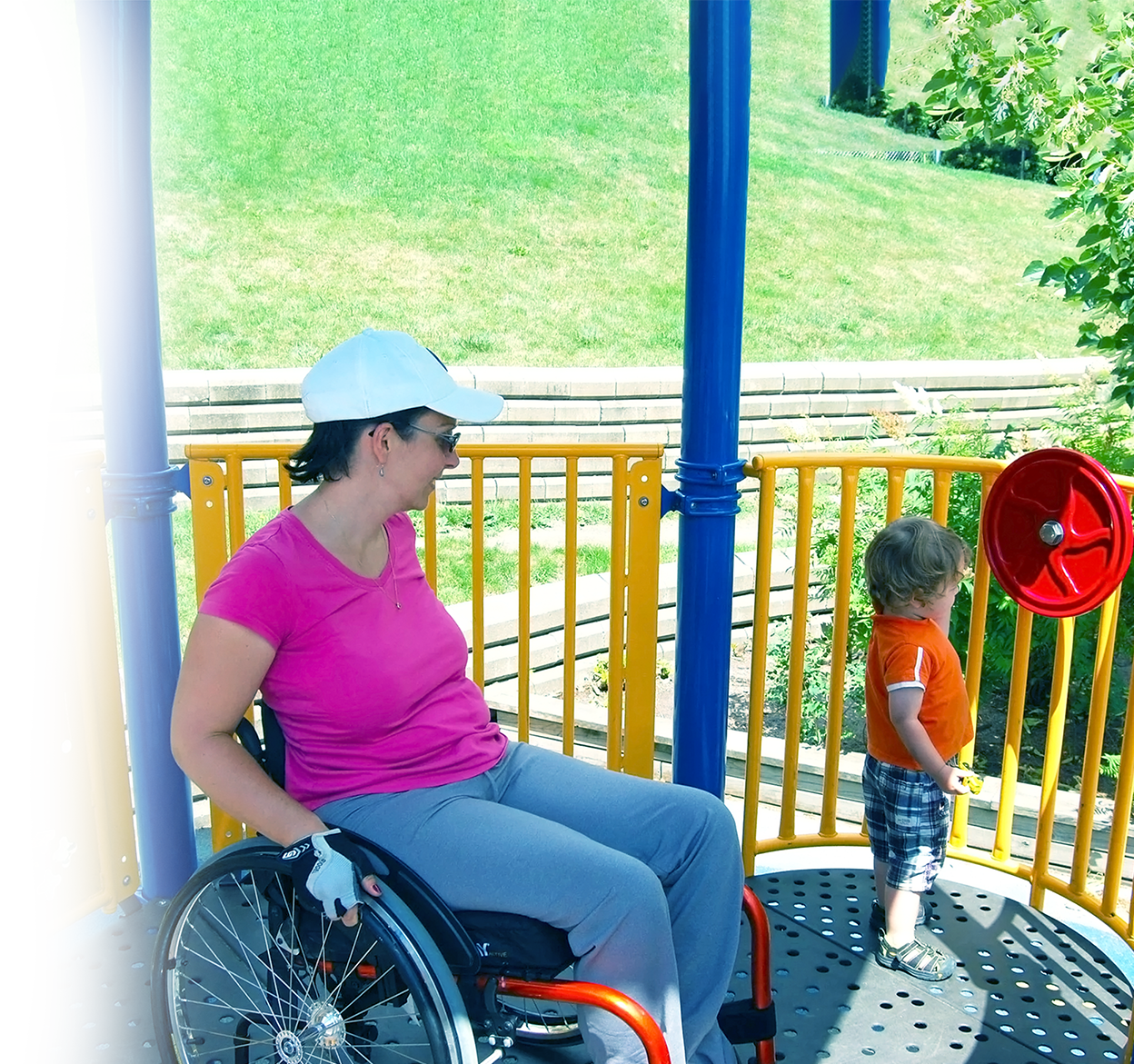

Documenting experiences.

Identifying barriers.
Building solutions.
More than one in four Canadians (27%) has a disability, yet parents with disabilities are rarely considered in accessibility planning.
This groundbreaking research project centers the voices and experiences of parents and caregivers with disabilities as they navigate federally regulated spaces across Canada.
Through community-led participatory research, we’re documenting the real-world barriers families encounter in national parks, museums, transportation systems, federal services, and more—and working together to propose meaningful solutions.
Why This Research Matters
Despite representing a significant portion of the population, parents with disabilities face persistent barriers:
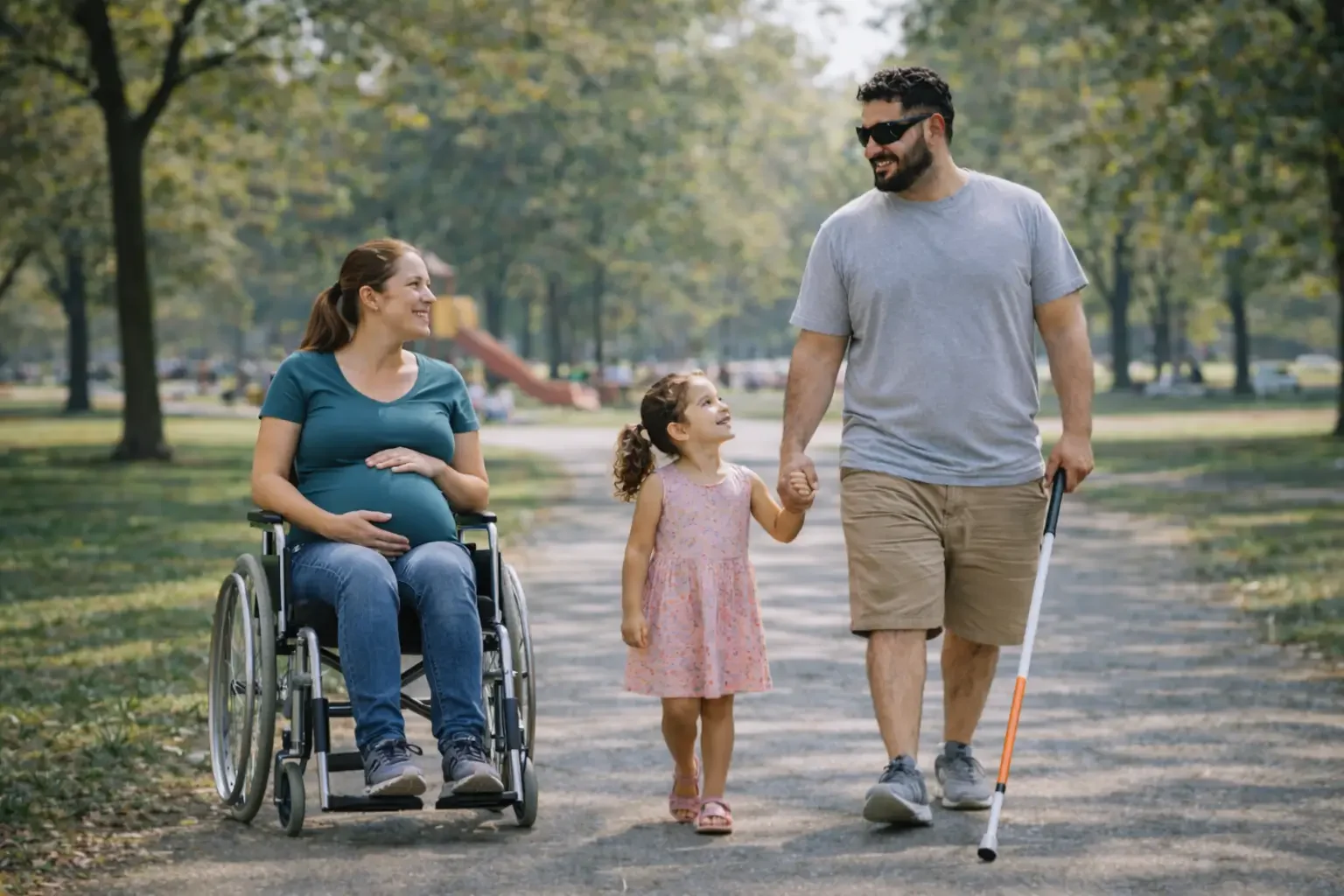
1 in 8 Ontario pregnant women has a disability

1 in 5 Quebec parents has a health-related diagnosis, disability, or chronic condition
Families encounter barriers in housing, childcare, transportation, and public spaces
Children's opportunities for community inclusion are directly impacted
Family-oriented accessibility is essential to ensuring that families headed by parents and caregivers with disabilities can participate fully in their communities and fulfill their caregiving responsibilities like all families in Canada.
Promoting Family Inclusive Accessibility Standards in Canada
Universal Accessibility:
Perspectives of Parents with Disabilities
Explore introductory training videos in English and French featuring the lived experiences and perspectives of parents with disabilities.
Choose Your Language / Choisissez votre langue
English
Français
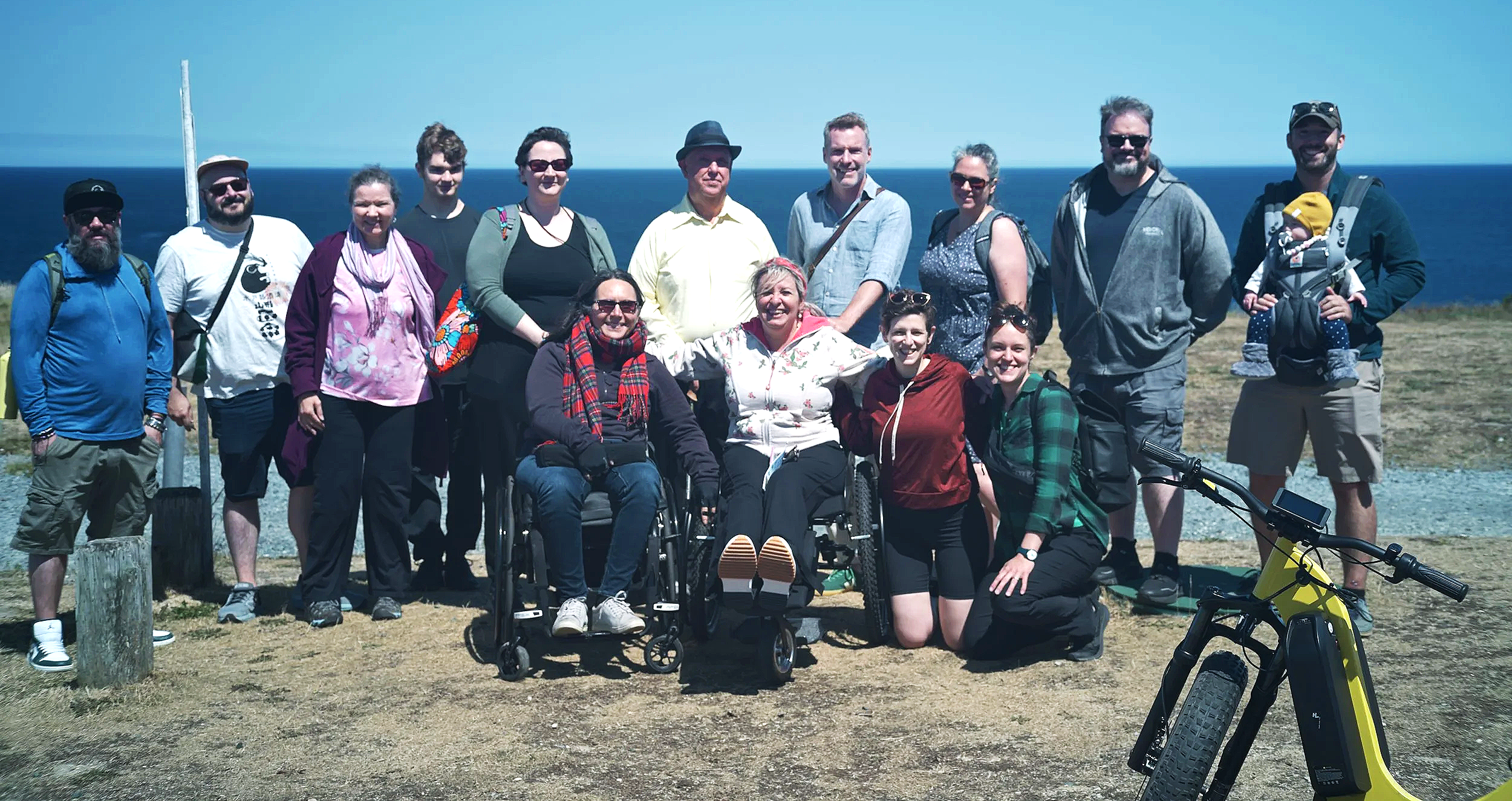
Photo credit: Justice Ferreira
This innovative community-led project aims to:
01.
Explore the direct experiences of parents with diverse disabilities and their families in federally regulated environments.
02.
Document barriers and accessibility features through photos, recordings, and personal narratives.
03.
Identify specific challenges in spaces including:
National parks and heritage sites
National museums and cultural institutions
Federal transportation (air, train, interprovincial buses and ferries)
Federal services (banks, passport offices, government buildings).
04.
Develop evidence-based recommendations for accessibility standards that are truly family-inclusive.
05.
Center the lived experiences and expertise of parents with disabilities throughout the research process.
We want to understand how parents with disabilities navigate everyday activities with their children:
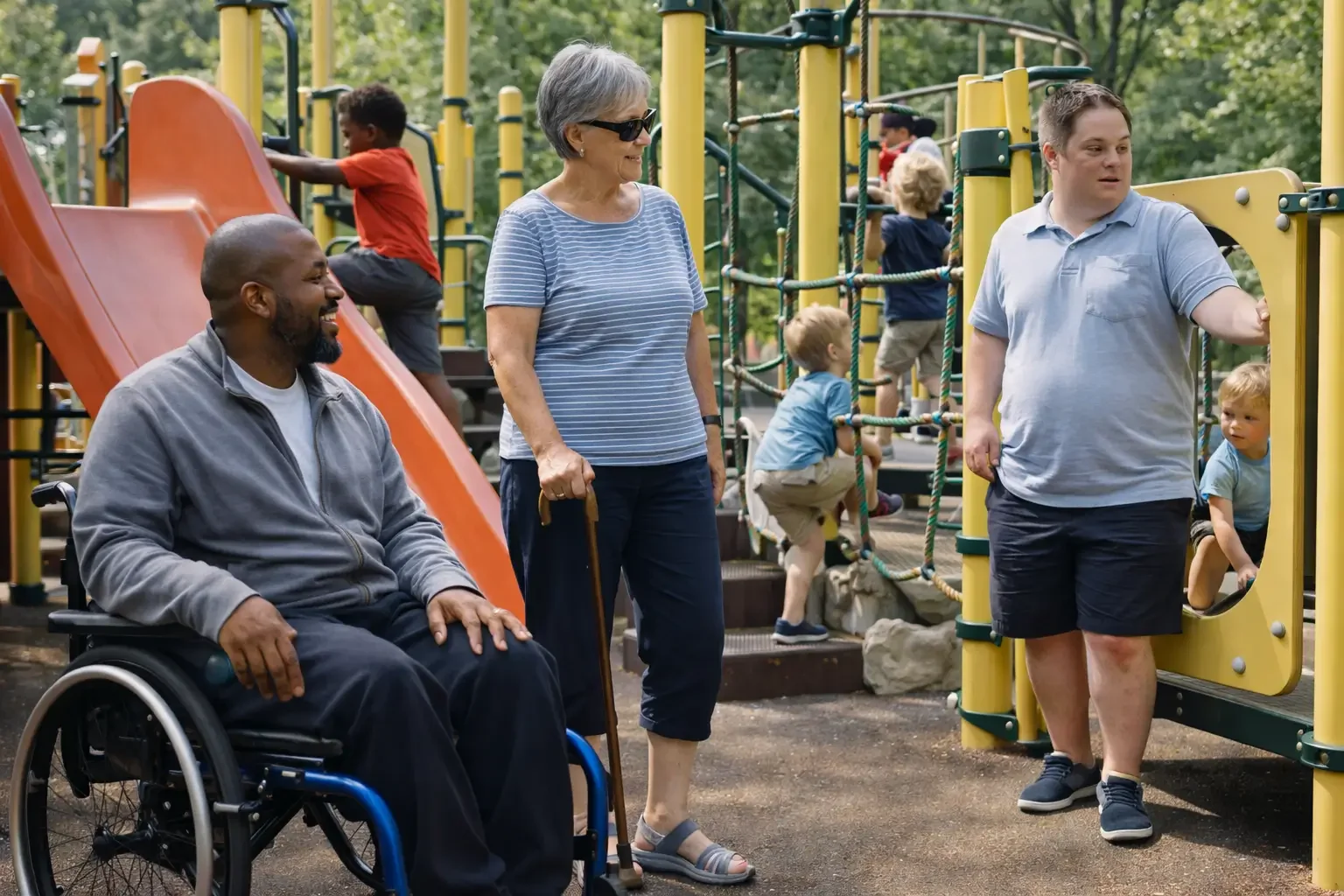
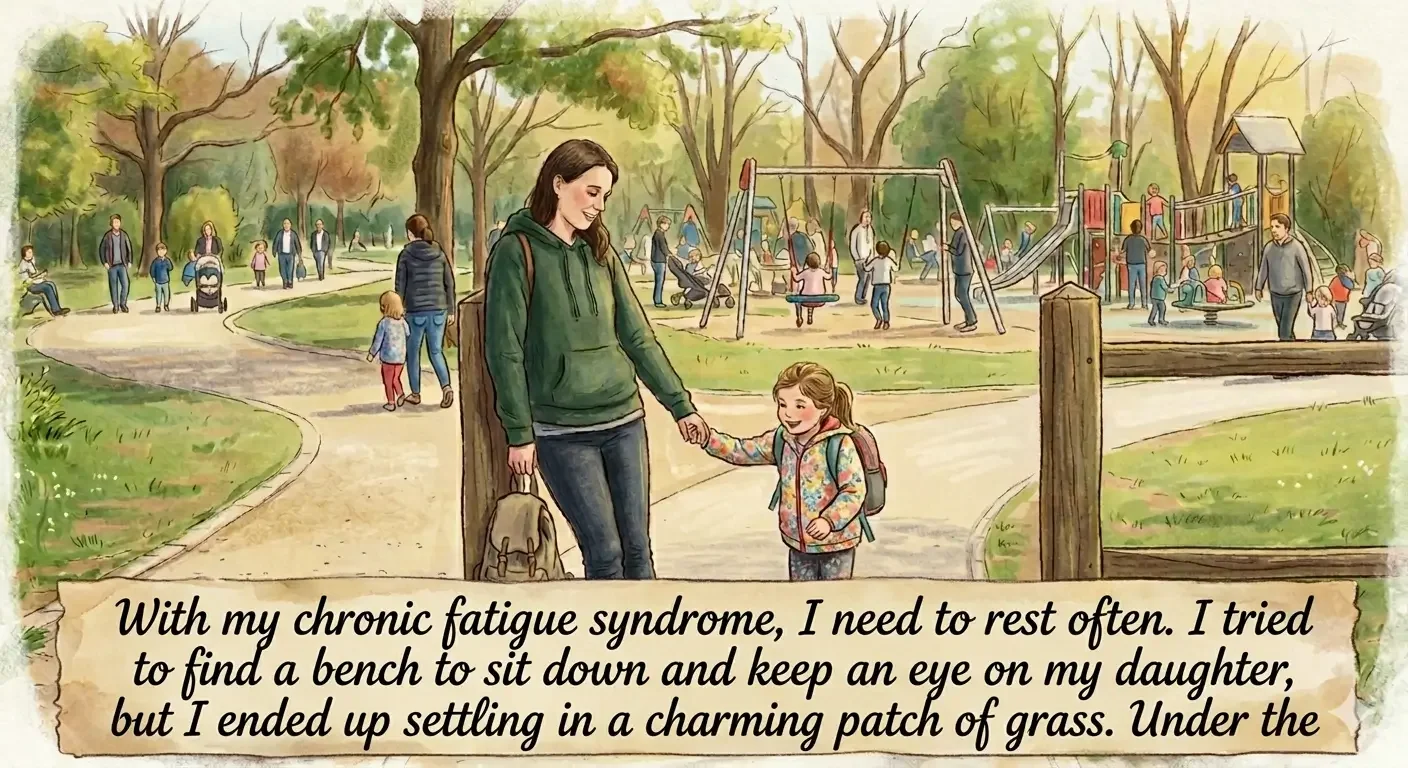
Accessing playground equipment and supervising children in outdoor spaces
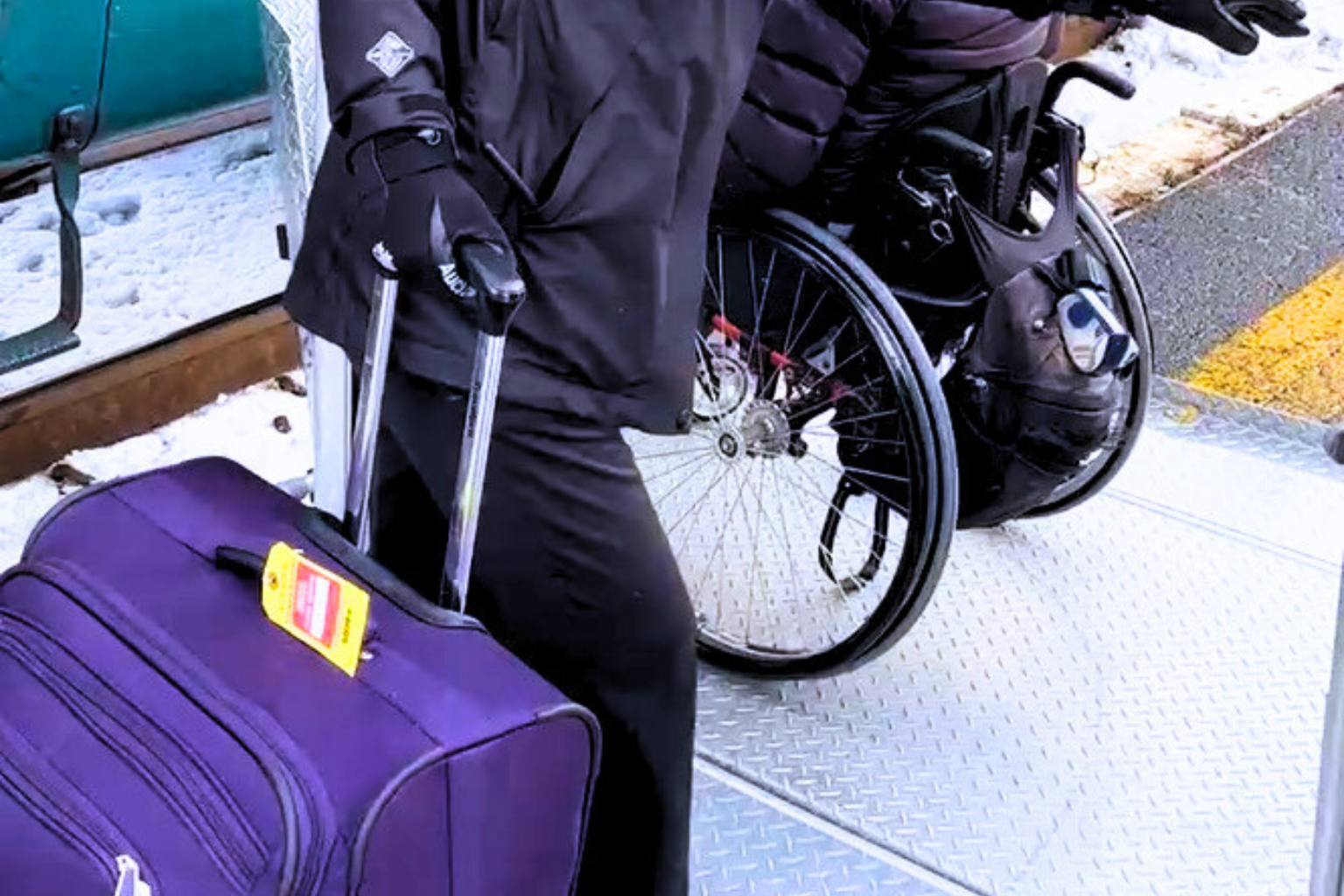
Moving through airports, train stations, and ferry terminals with children and luggage
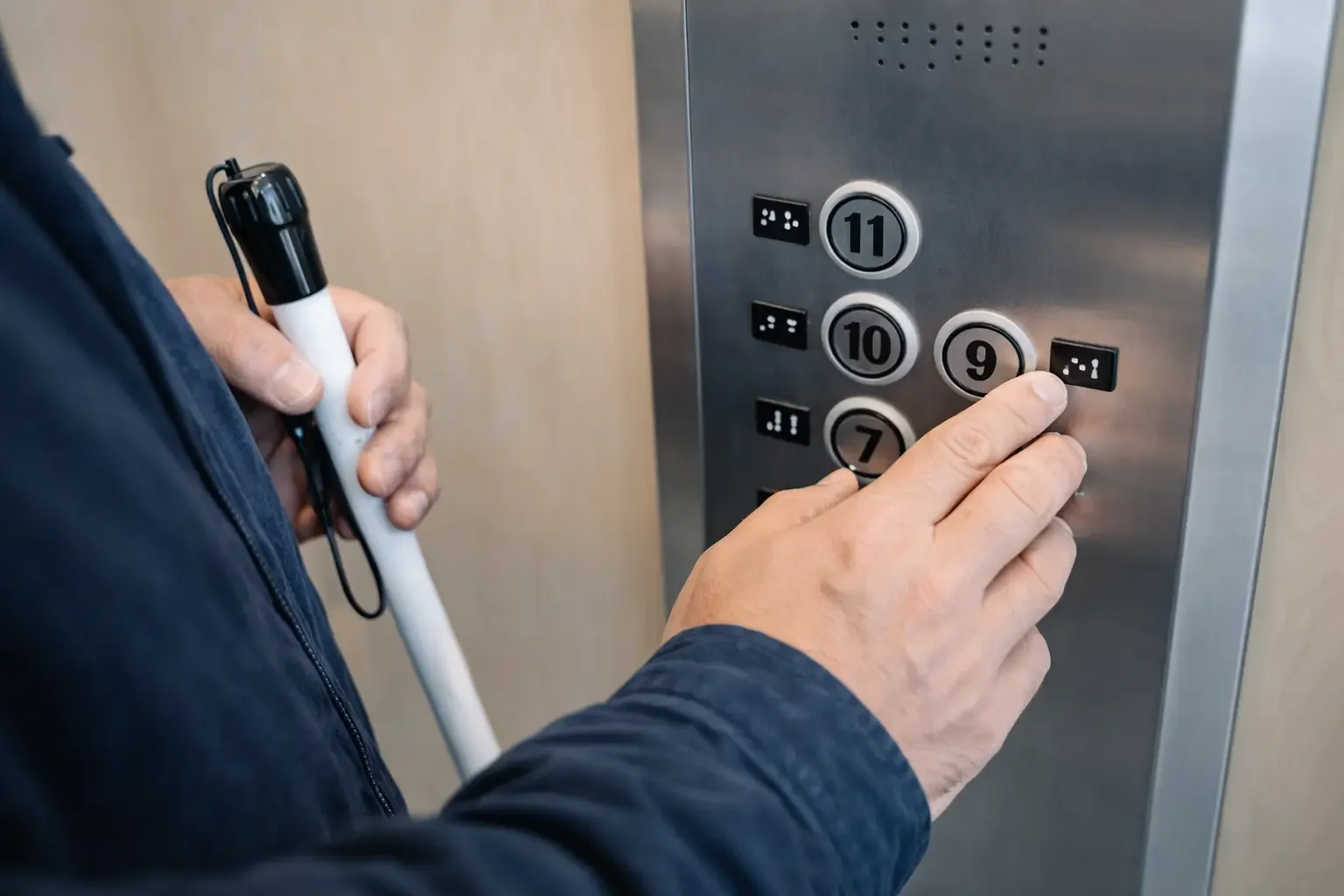
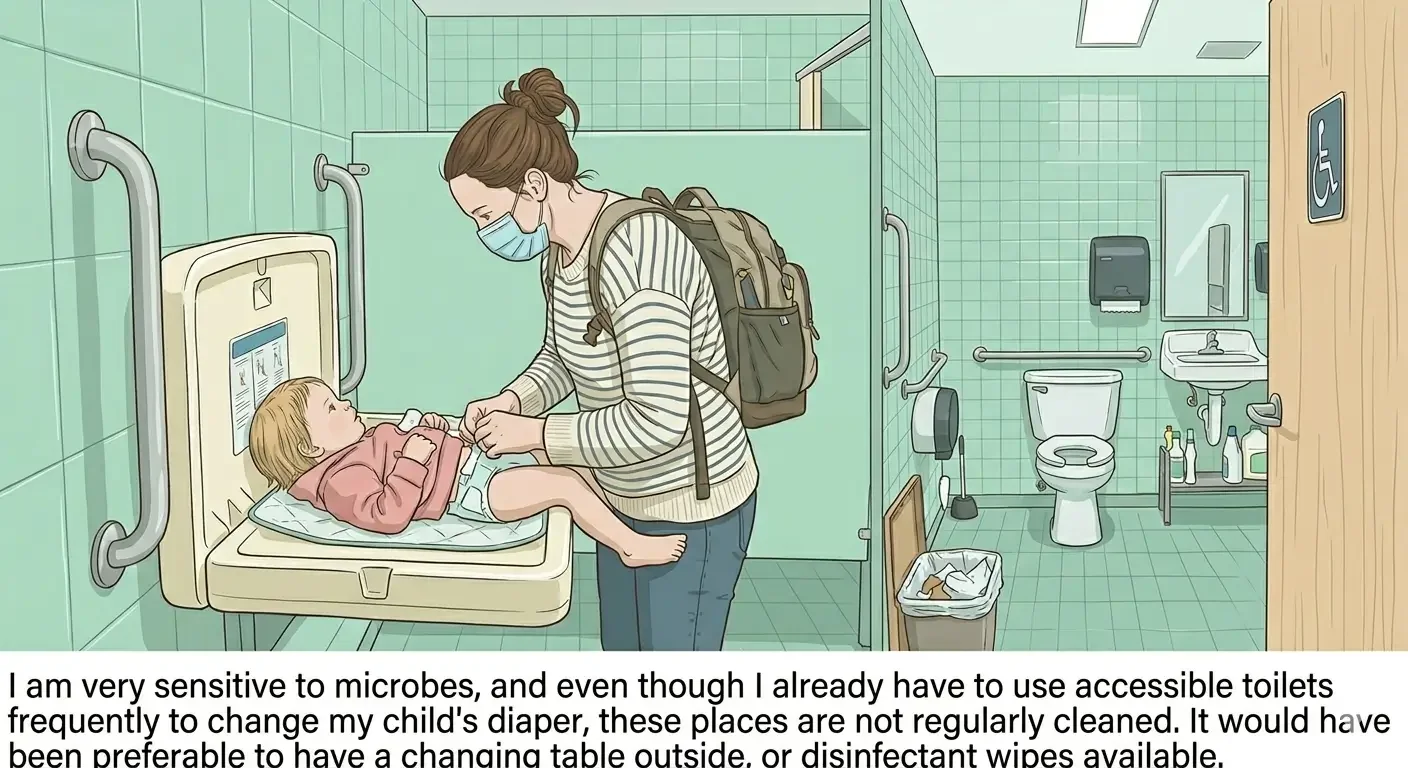
Navigating architectural features like ramps, elevators, and washroom facilities with children
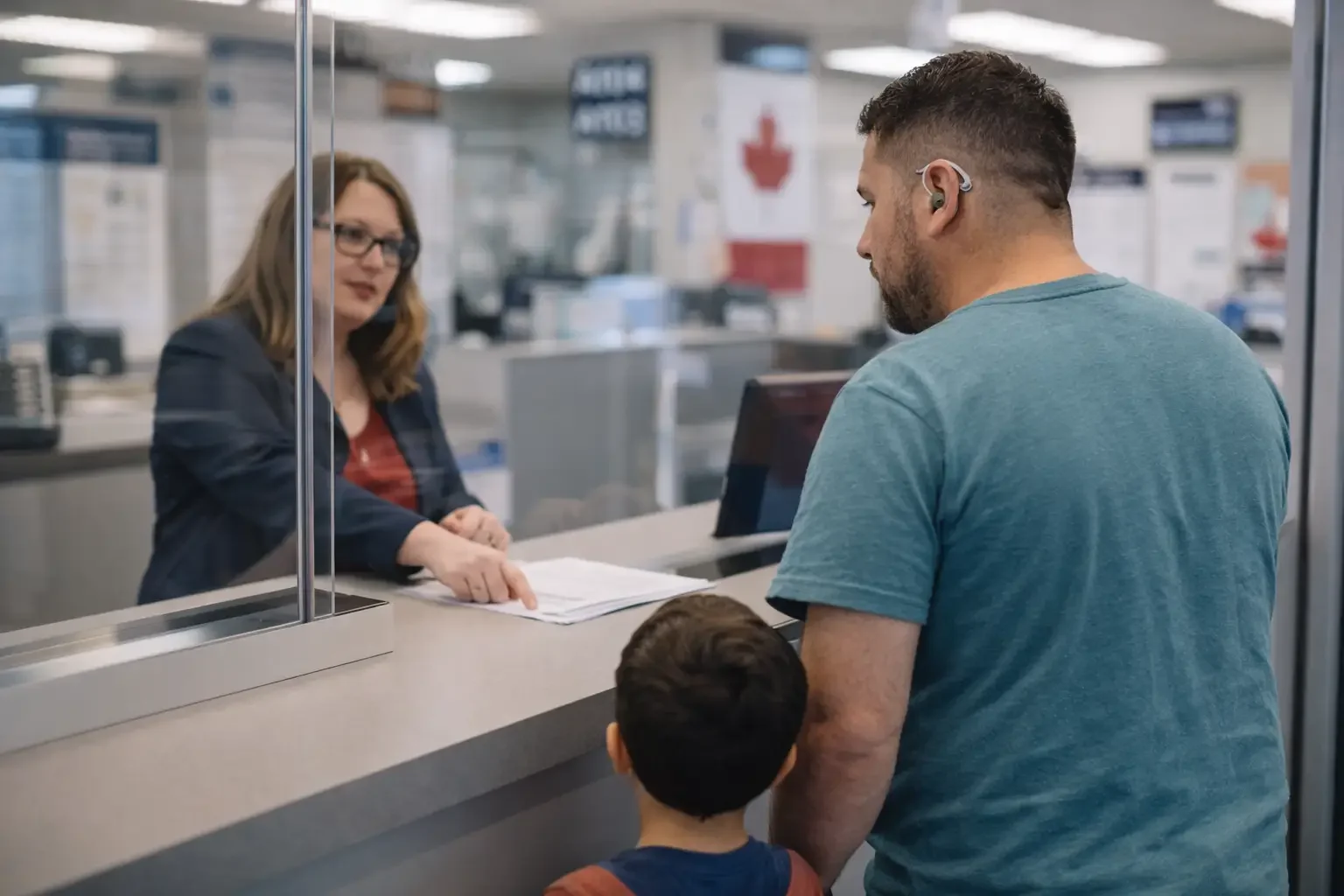
Interacting with federal employees and service providers
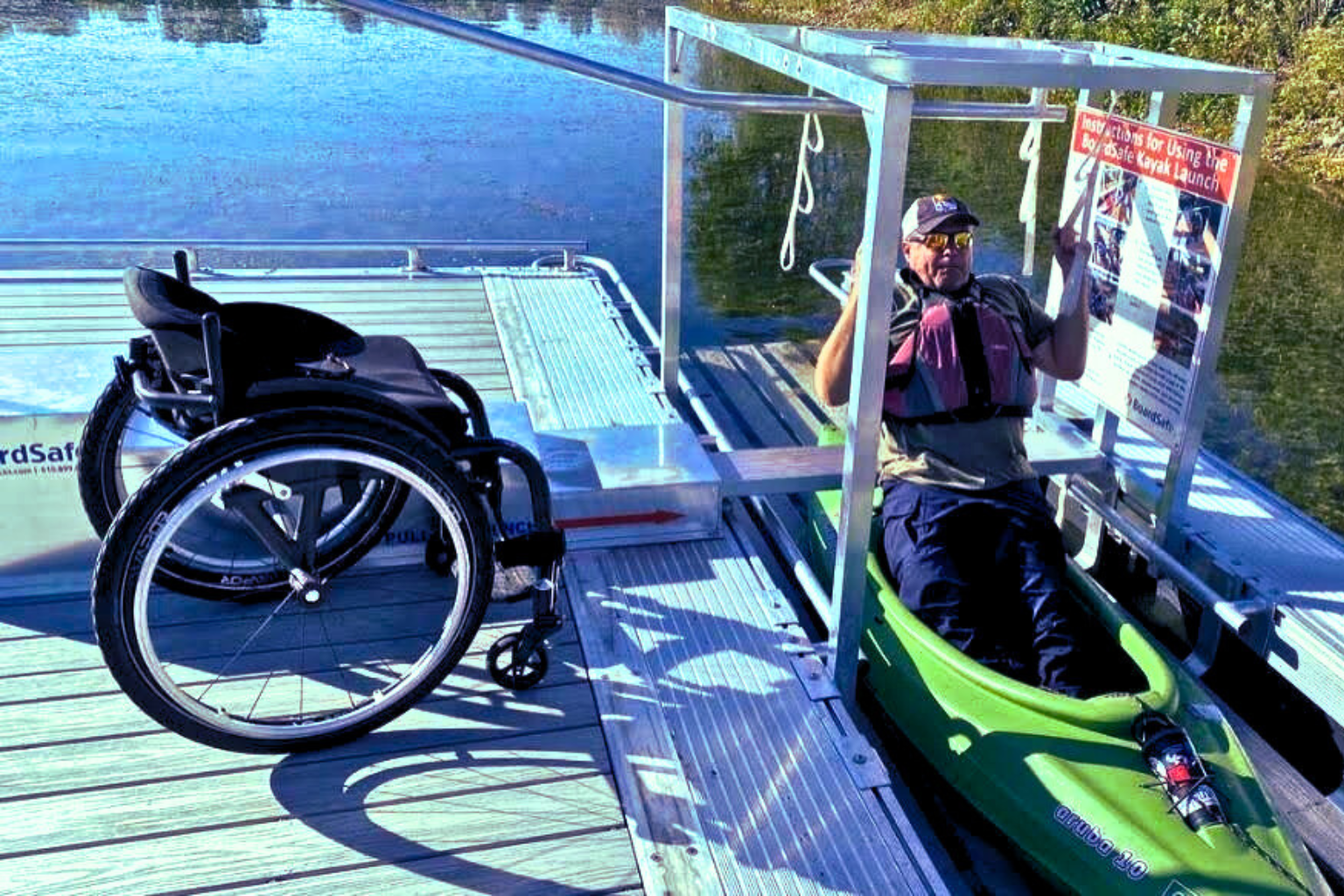
Finding and using adaptive equipment (strollers, caddies) in tourist attractions and supervising children in outdoor spaces
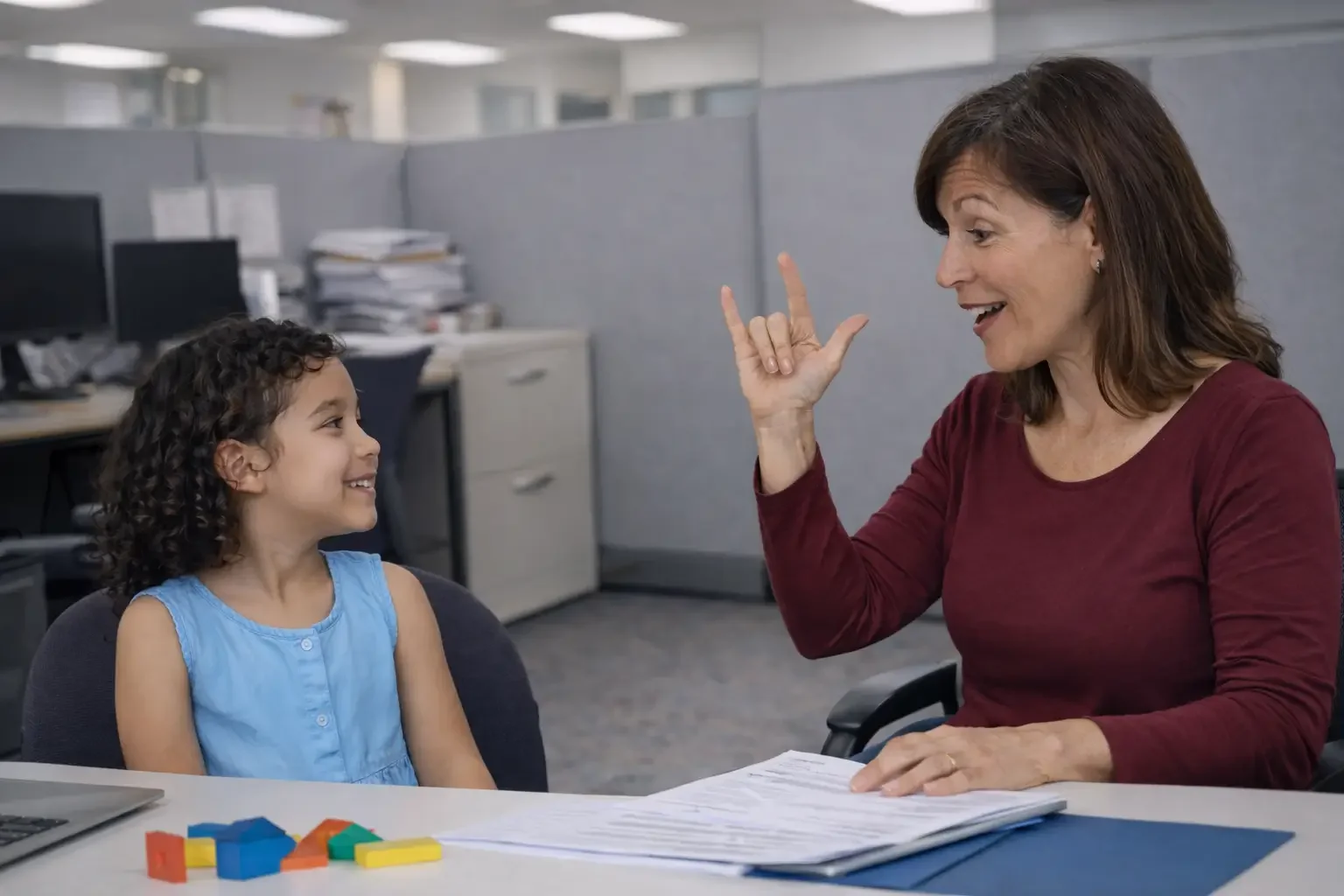
Managing documentation and paperwork while caring for children
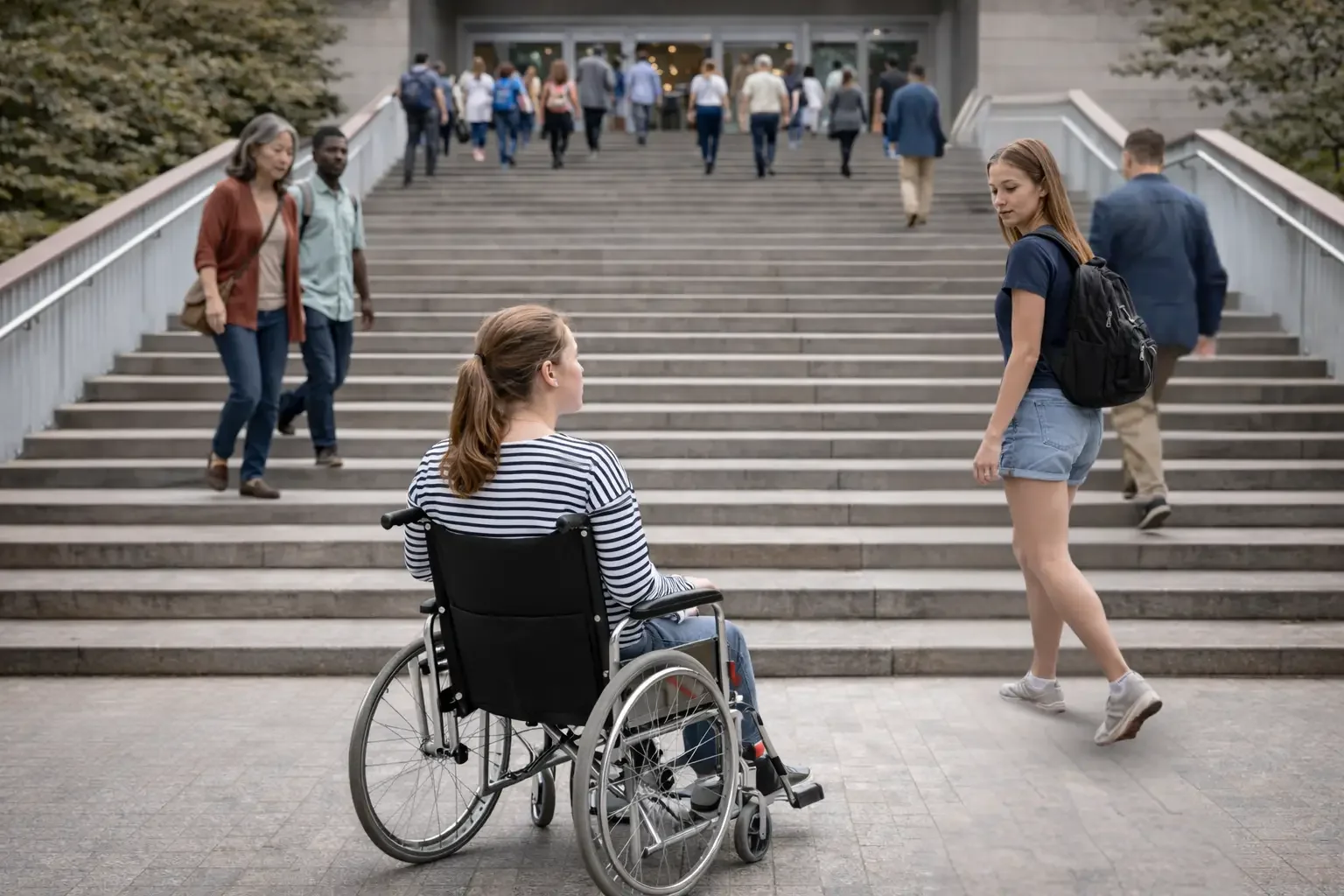
Experiencing attitudinal barriers from staff and the public
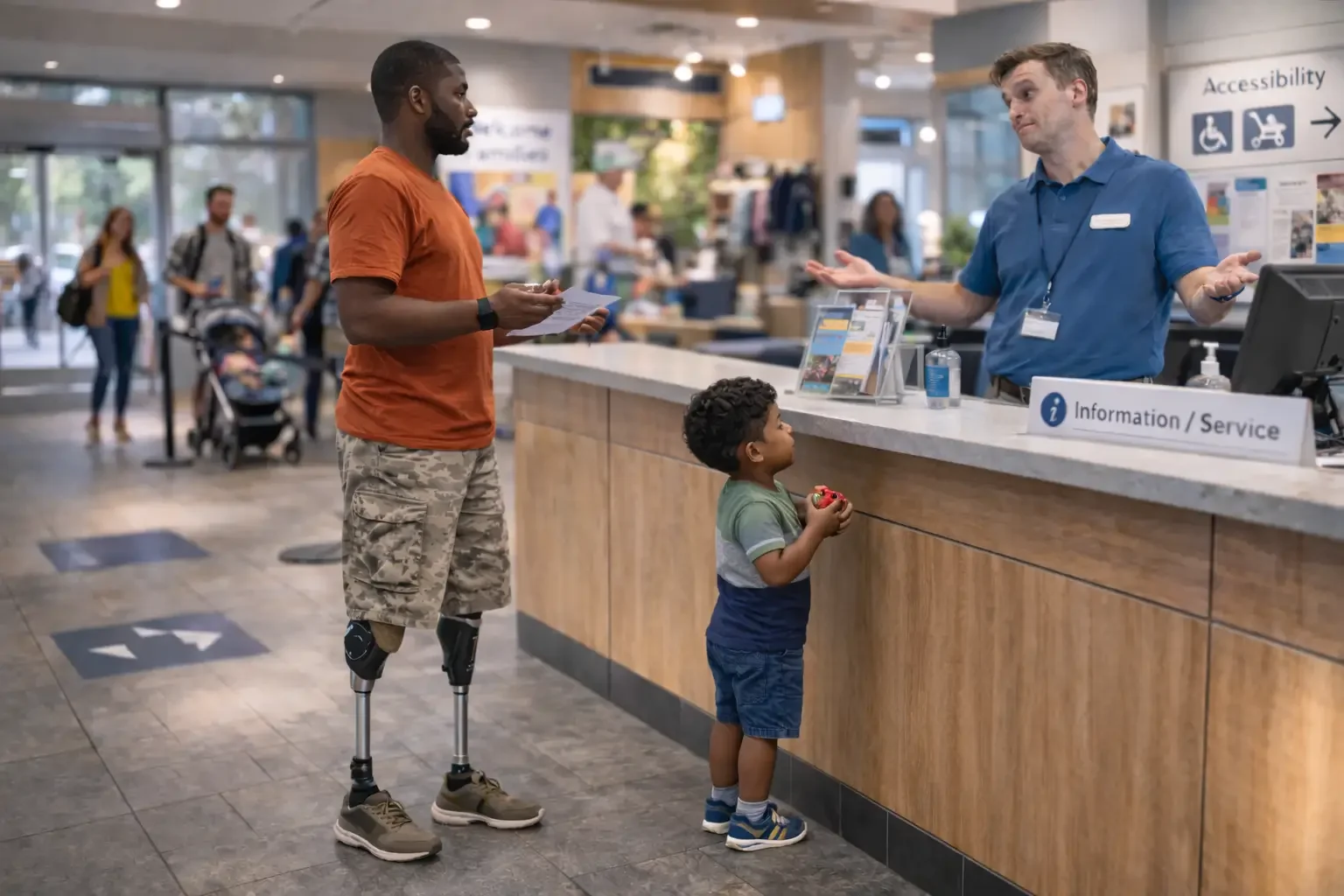
Advocating for their rights and their children's needs
Example of Photovoice in Action
Real Examples From Our Team
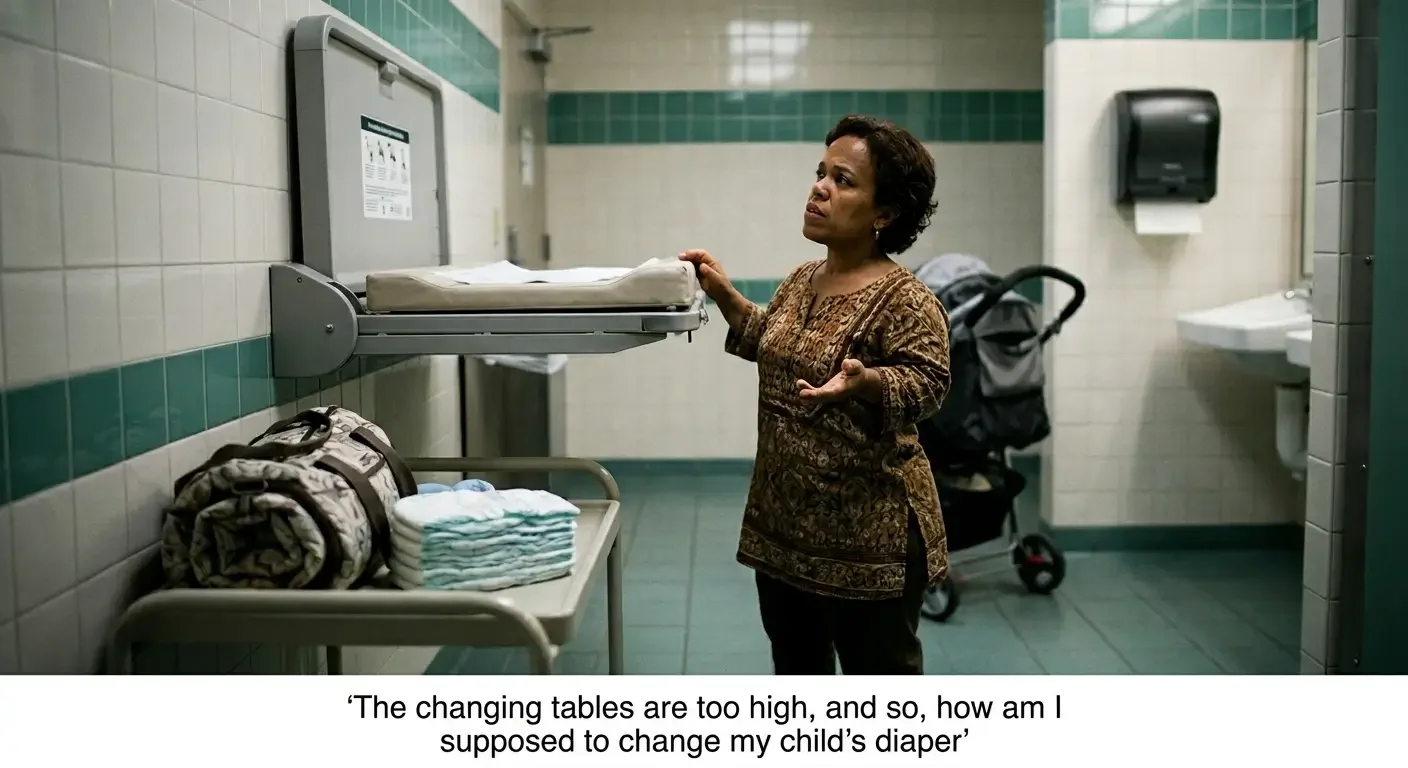
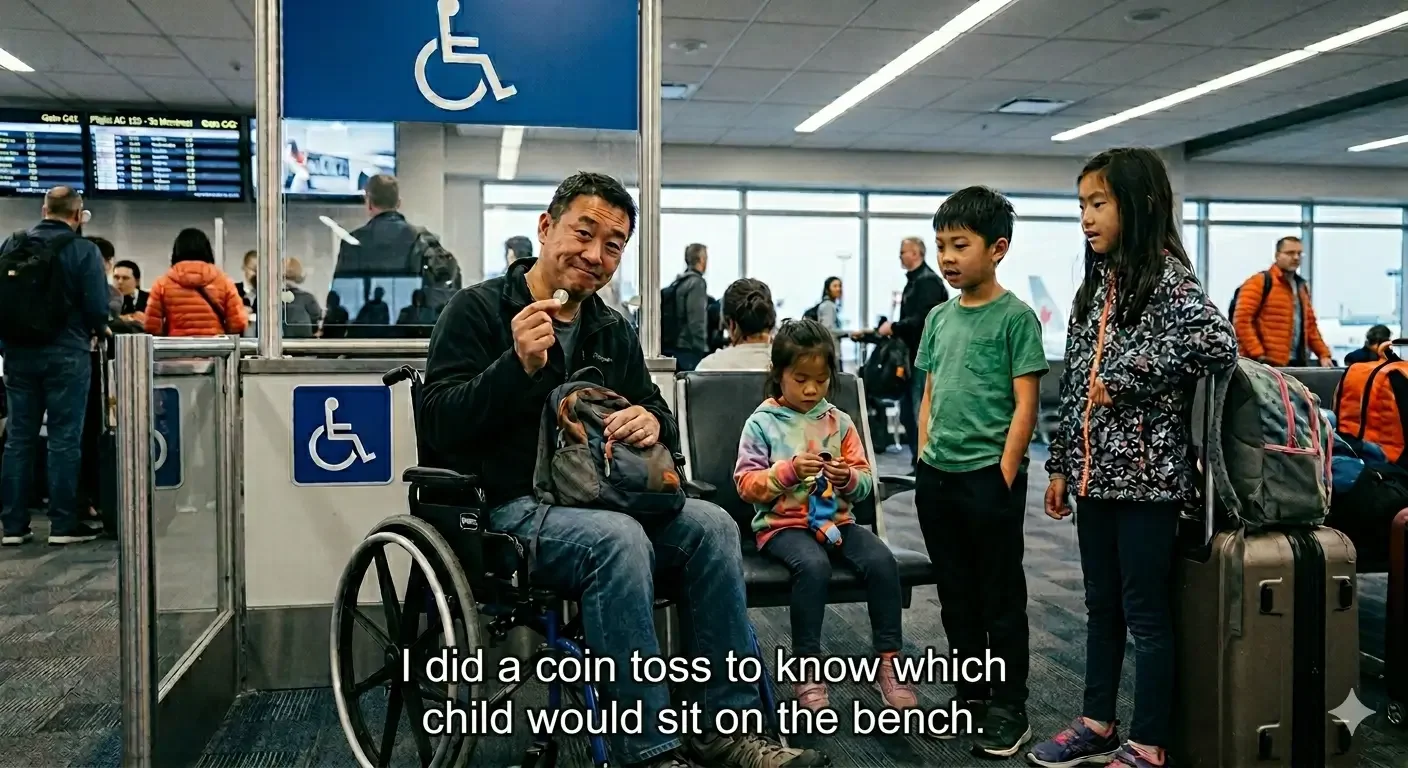
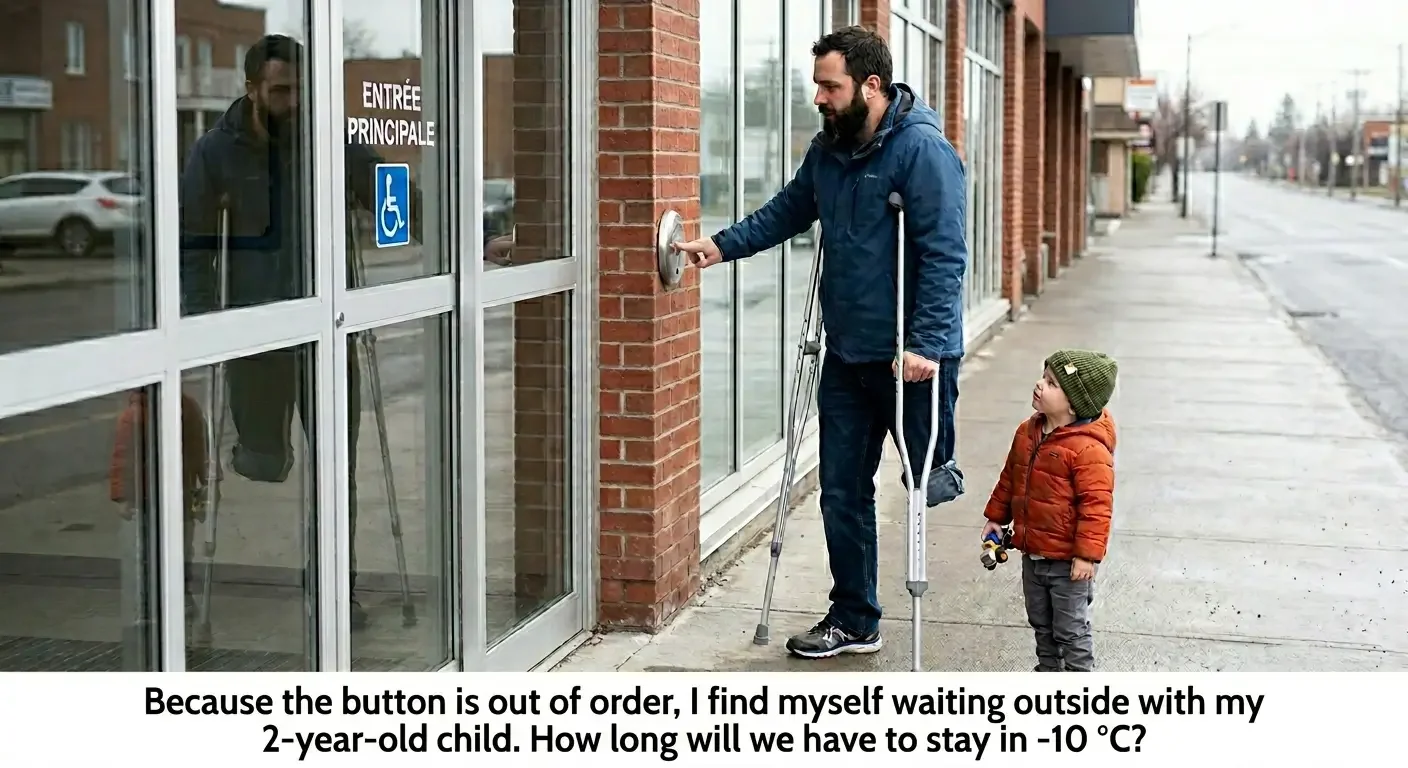
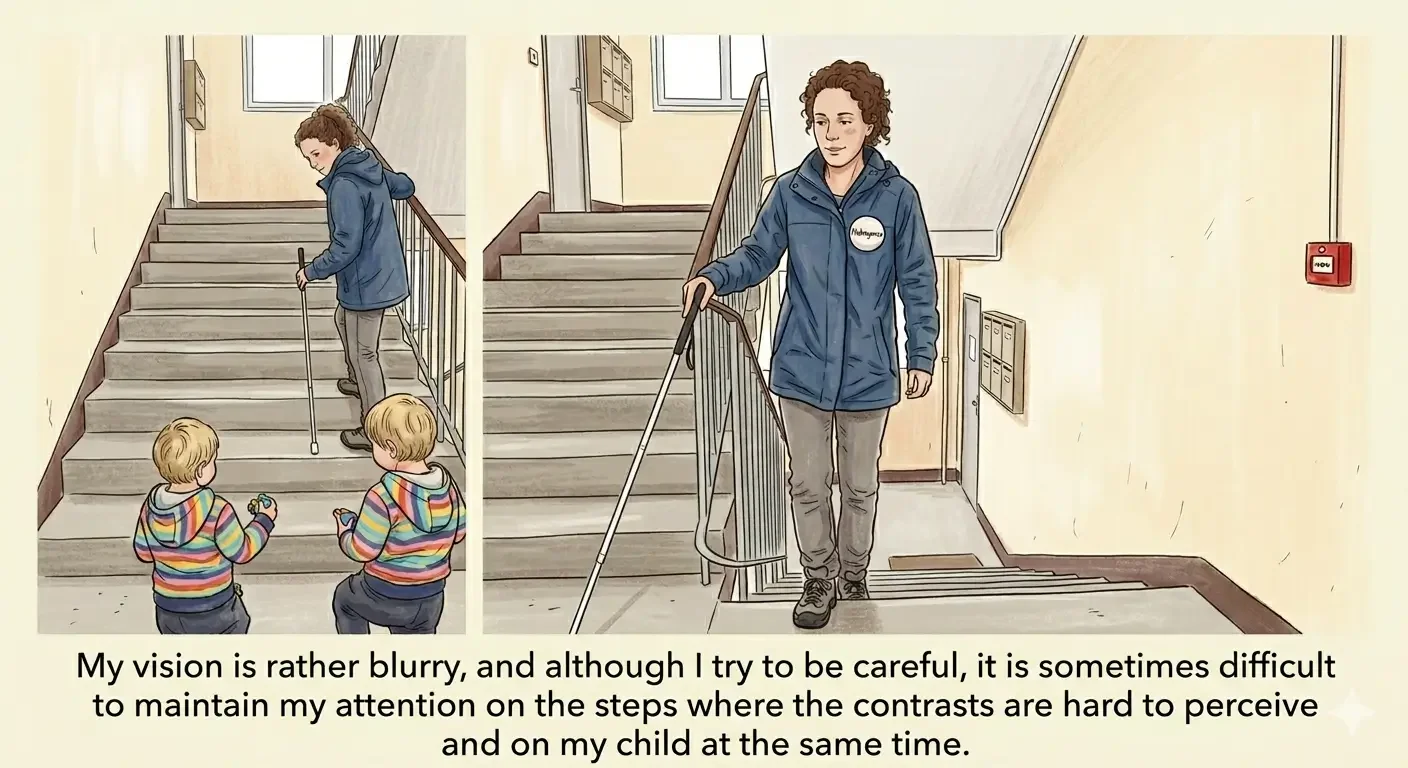
Below are examples of the kinds of accessibility barriers and solutions that photovoice can document:
These examples show how photovoice captures not just what barriers exist, but how they affect real families in real situations. The emotional impact—frustration, humor, resilience—comes through in ways that statistics alone cannot convey.
-
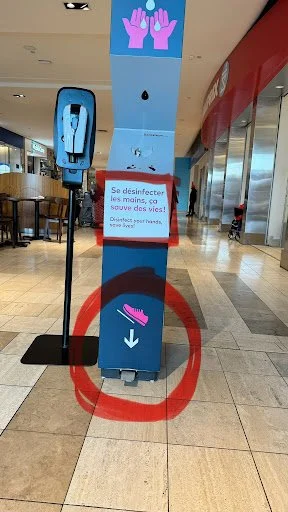
![Hand-activated sensor button placed too high on a shopping mall pillar]()
"If only I could STEP ON IT!"
Context: Accessibility features that are installed but placed at heights inaccessible to wheelchair users create the illusion of accessibility without actual function.
-
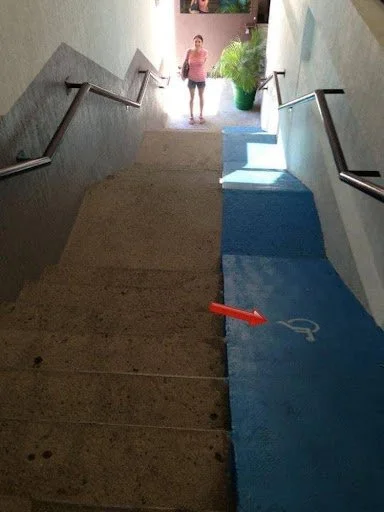
![Dangerous ramp with steep drop and no safety barriers]()
"Yeah, right? I am not looking to die today!"
Context: Ramps that don't meet safety standards put parents with mobility disabilities and their children at serious risk.
-
![Sidewalk with raised curb making rolling access impossible]()
"Great use of sidewalk... but no way for me to roll on it!"
Context: Infrastructure improvements that ignore universal design exclude people with disabilities from public spaces.
-
![Person in mobility scooter unable to reach payment terminal]()
"Well... I guess I am not paying!"
Context: Service counters and payment systems designed without considering diverse body positions create unnecessary barriers to independence.
-
![Broken door handle with metal piece hanging out]()
"One thing is to make it accessible, but to ensure access, you need to maintain it!"
Context: Accessibility isn't just about initial installation—ongoing maintenance is essential for sustained access.
-
![Badly cracked sidewalk creating tripping hazards and obstacles]()
"One thing is to make it accessible, but to ensure access, you need to maintain it!"
Context: Deteriorating infrastructure particularly impacts people with mobility disabilities and parents managing children and equipment.
-
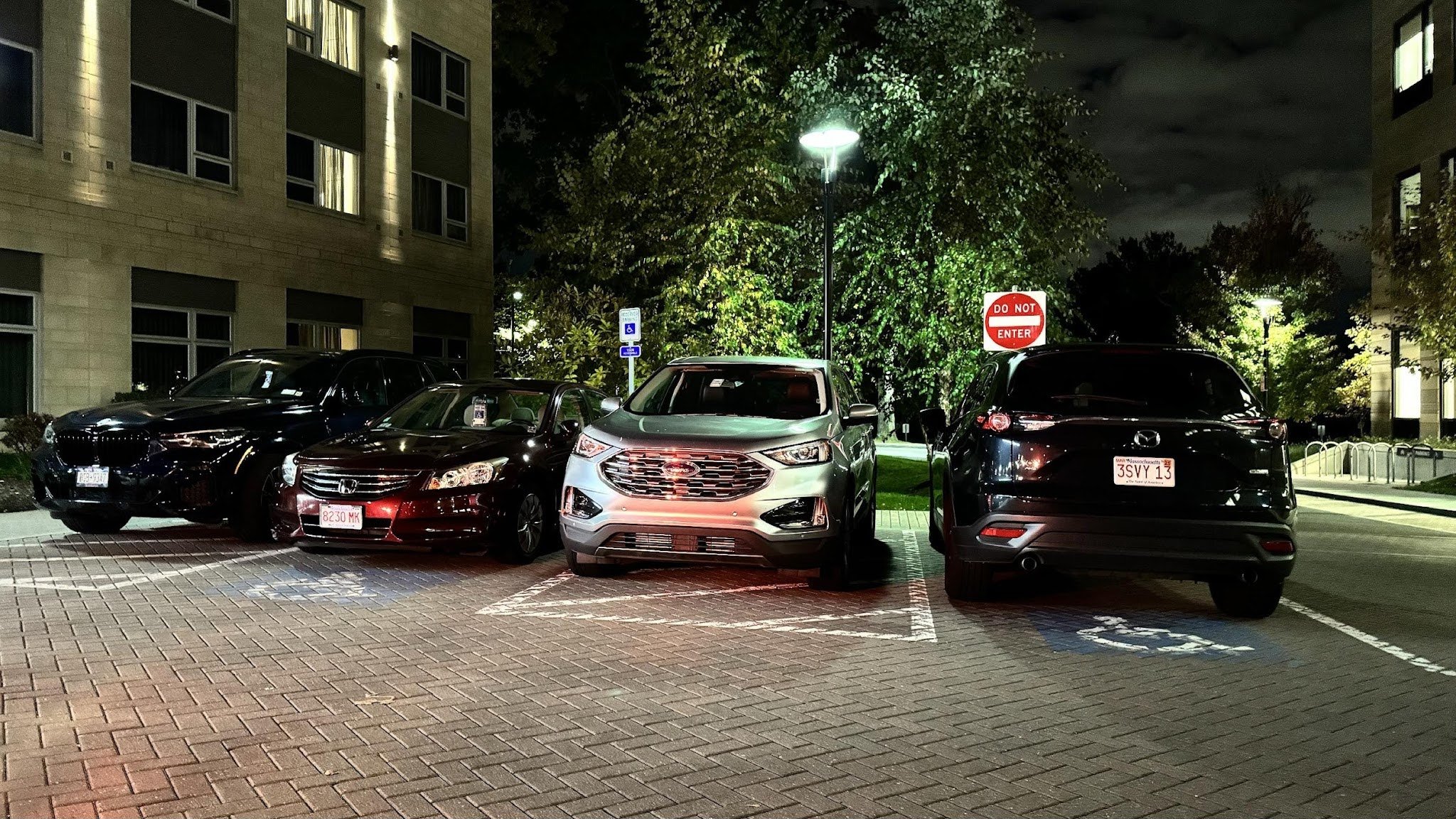
![Parking lot at night with cars blocking accessible spaces]()
"Where am I supposed to park as a parent who needs accessible parking?"
Context: Enforcement of accessible parking is as important as its availability.
-
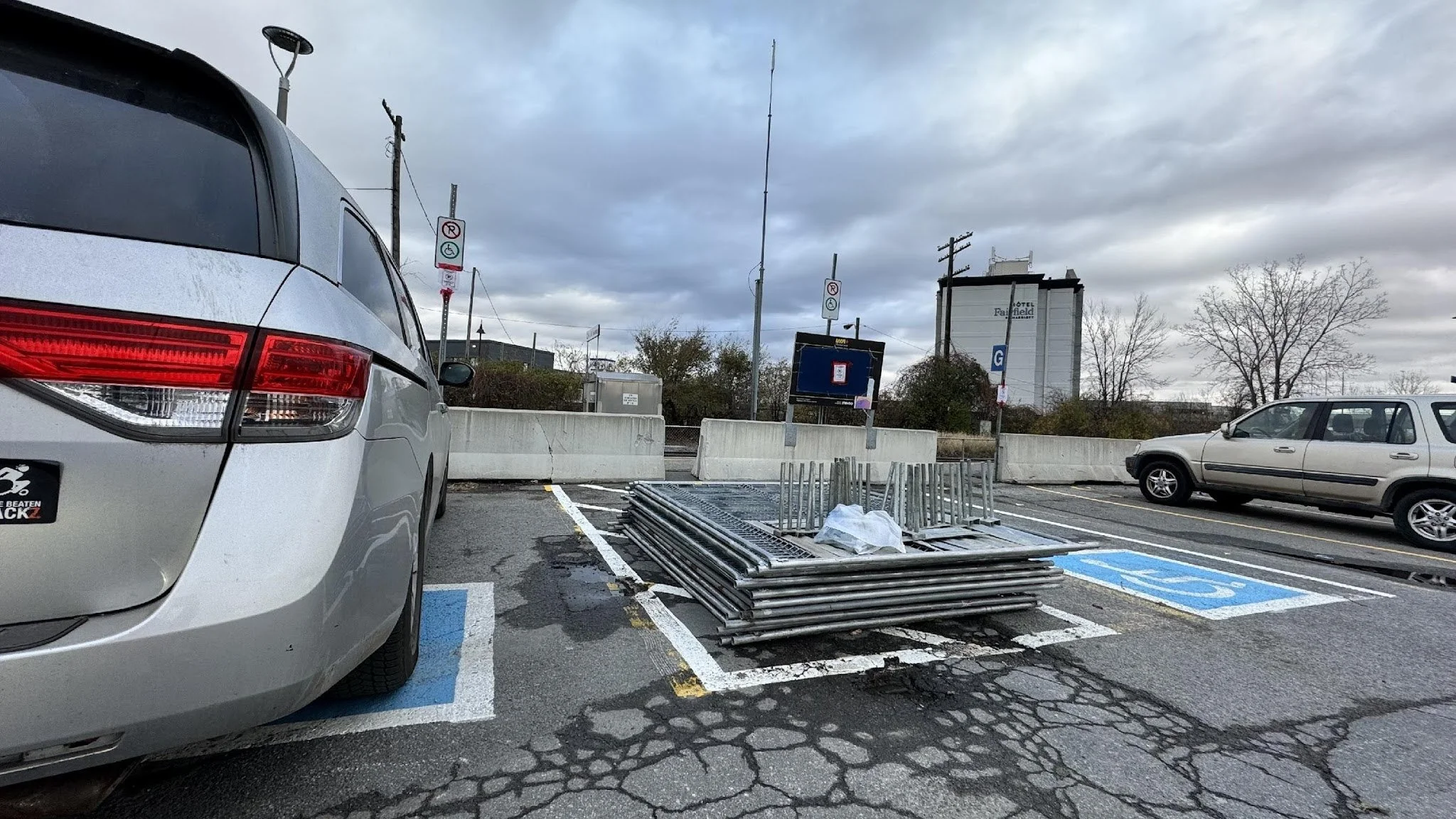
![Construction zone with metal fencing placed directly on accessible parking spot]()
"Where am I supposed to park as a parent who needs accessible parking?"
Context: Temporary construction often eliminates accessible parking without providing alternatives, assuming people with disabilities can "just park somewhere else."
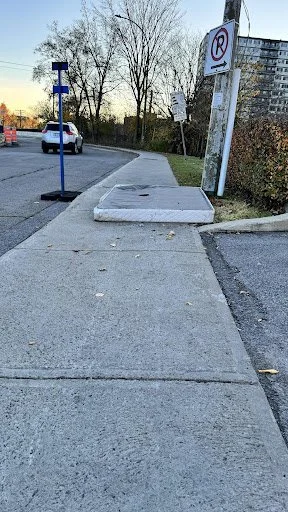
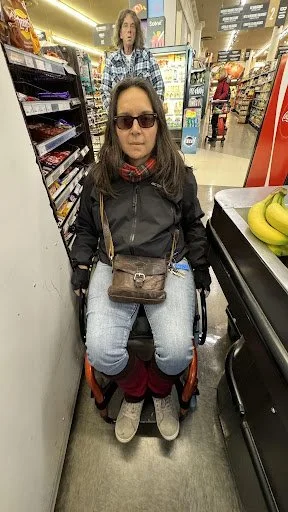
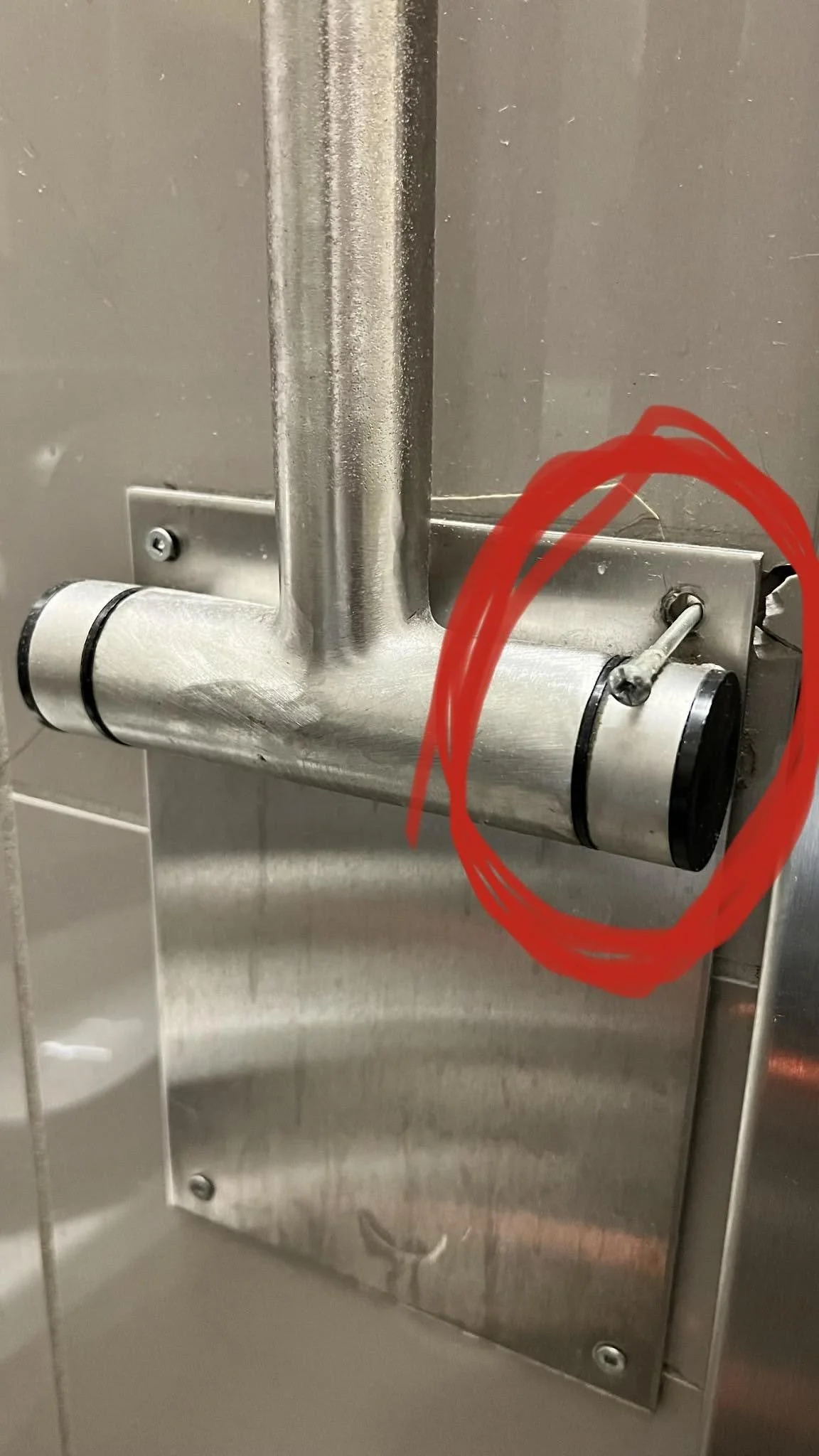
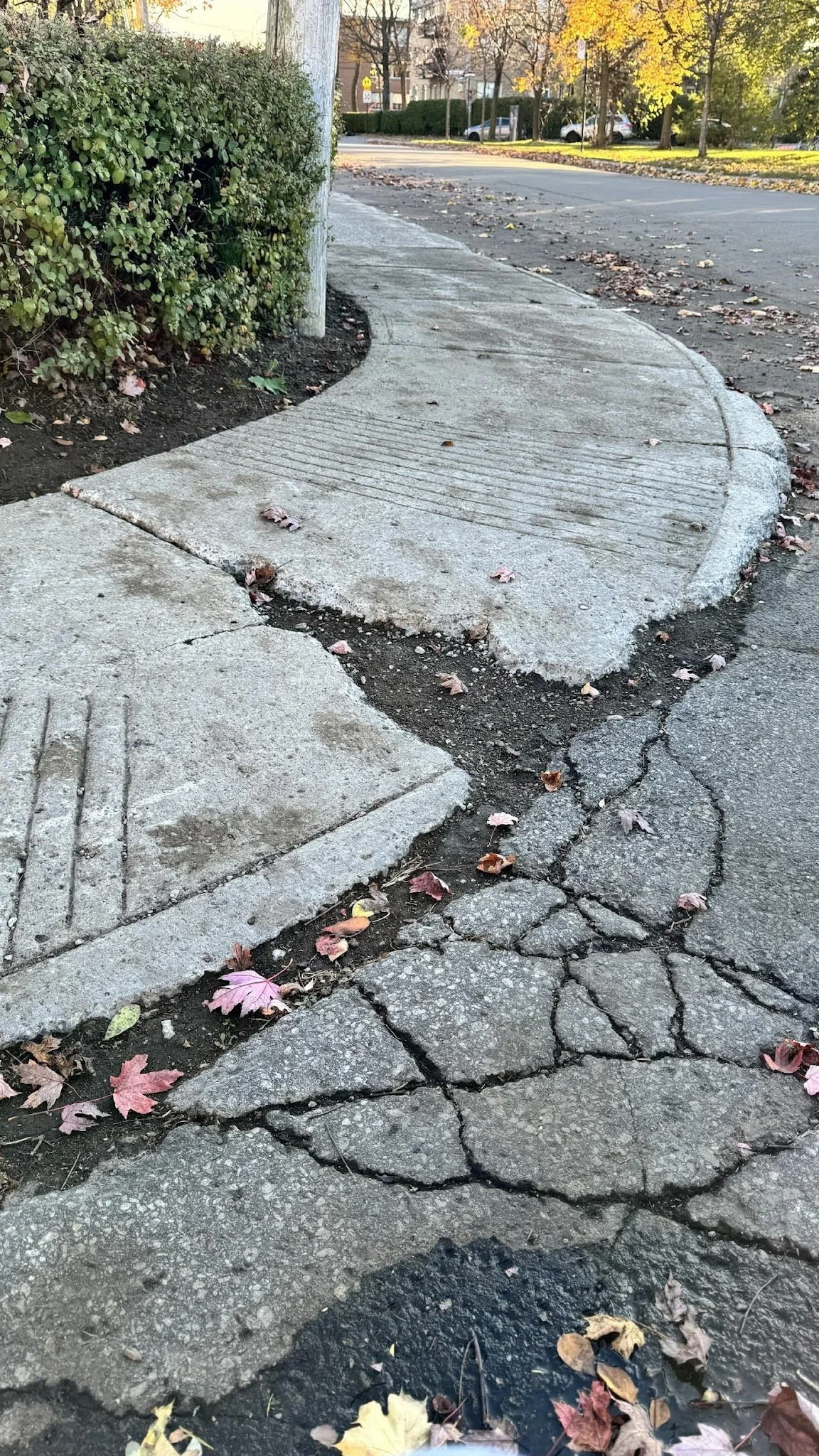
Accessibility in Everyday Life
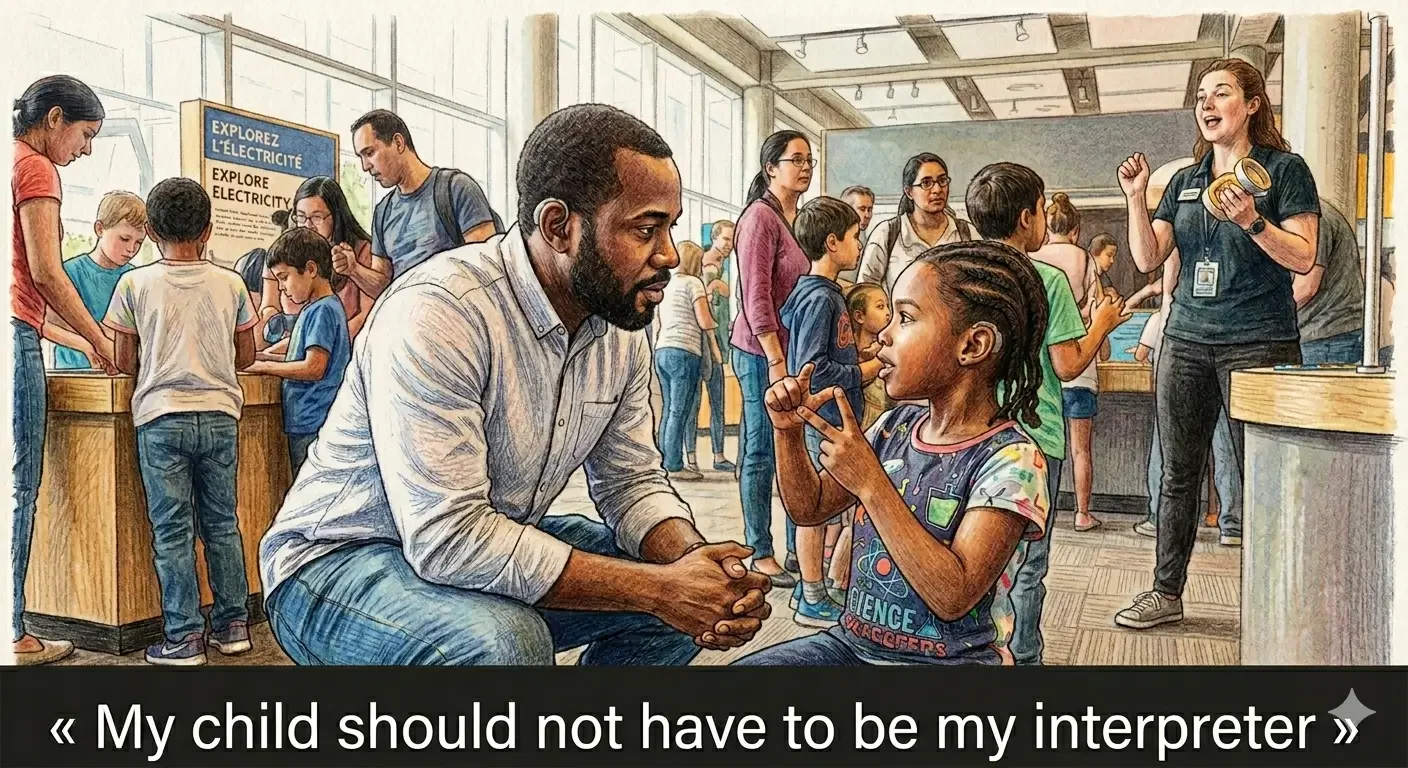
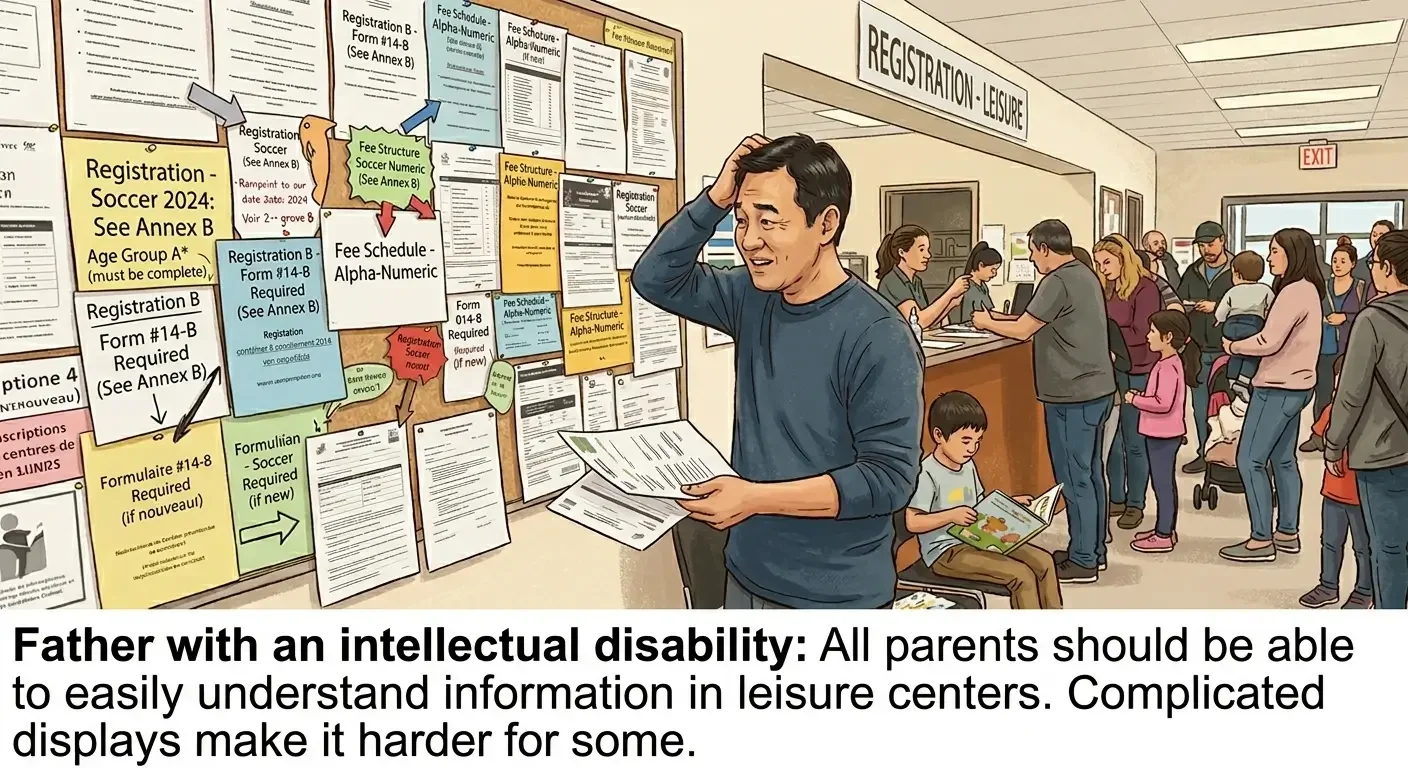
These images illustrate real-world accessibility challenges and opportunities for creating more inclusive communities.
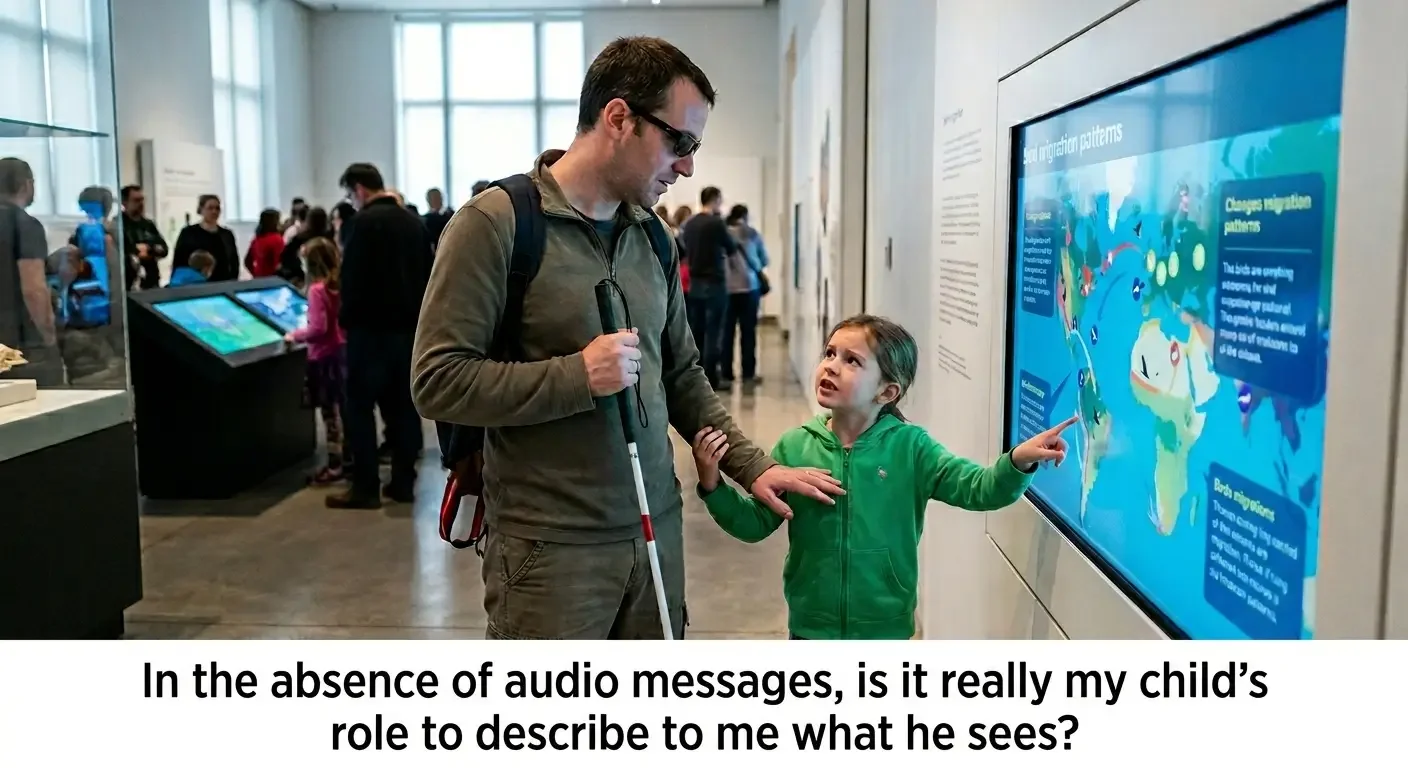
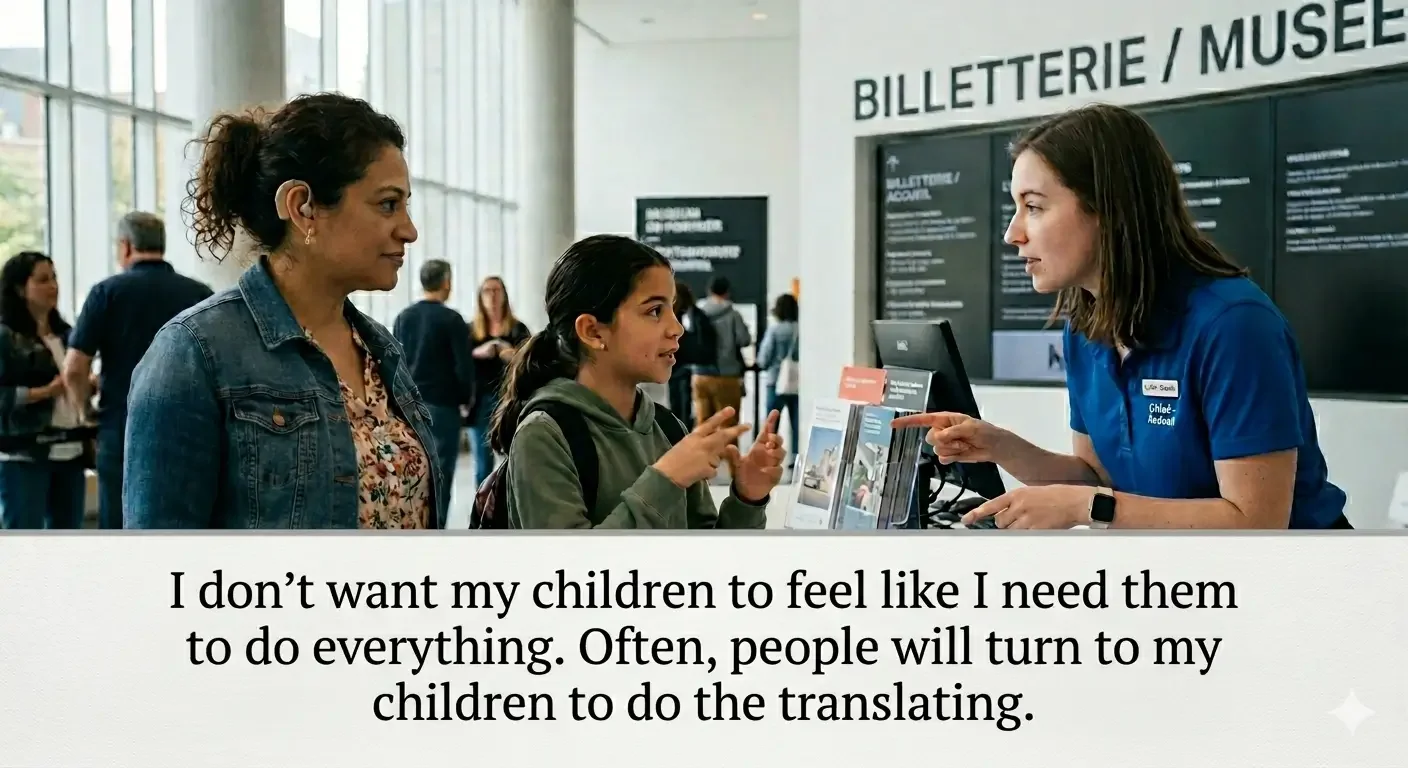
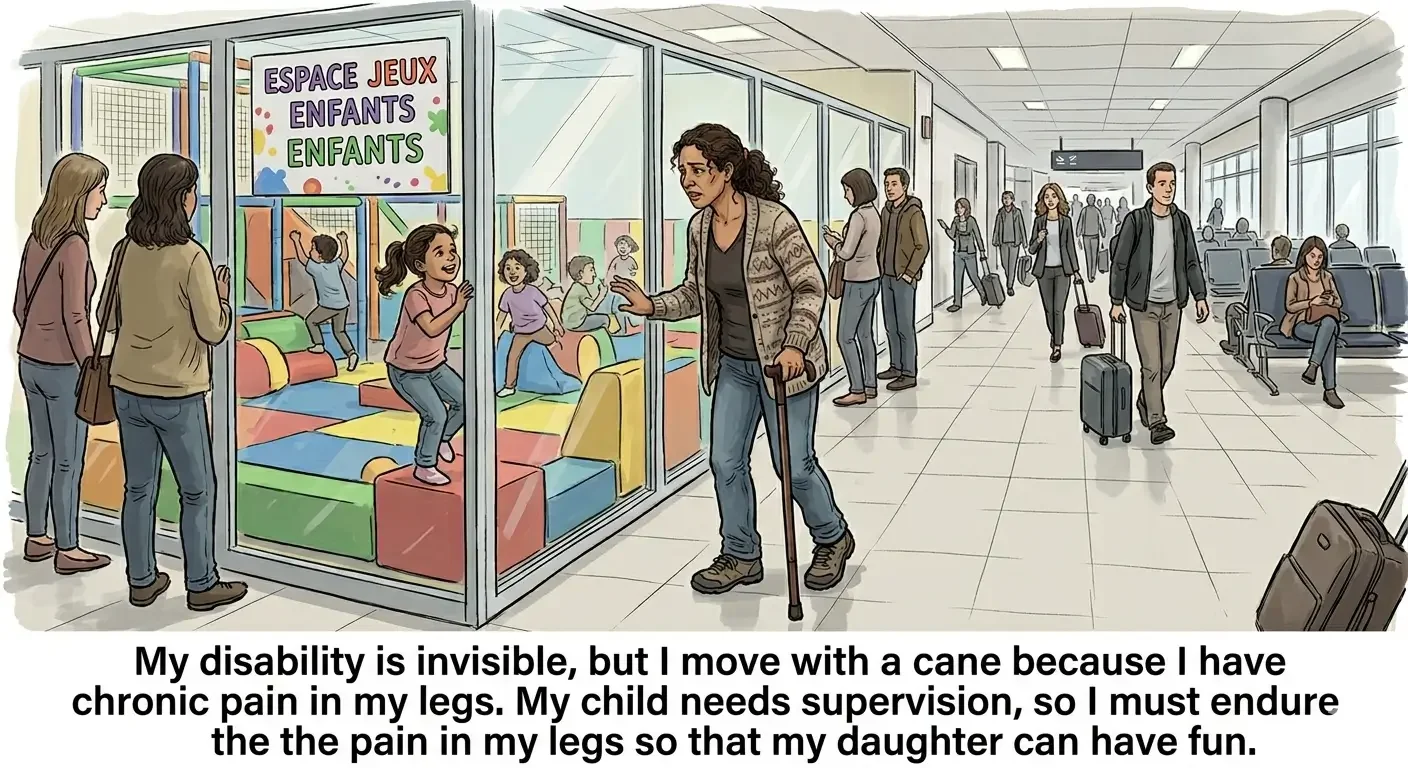
Community-Led Approach
This research is guided by disability justice principles. Parents with disabilities are not just participants—they are co-researchers, steering committee members, and knowledge holders who shape every aspect of this project.
We partner with disability-led organizations across Canada to ensure authentic representation and meaningful participation throughout the research process.
Our Partners






Expected Impact
-
Document accessibility barriers and solutions across federal jurisdictions
• Create visual and audio materials that make lived experiences visible to policymakers
• Build partnerships between parents, community organizations, and researchers
• Develop best practices for inclusive research methodologies
-
Inform the development of Canadian accessibility standards
• Create lasting change in federal policies and practices
• Build a national accessibility network committed to family inclusion
• Contribute to a traveling museum exhibit showcasing stories of resistance and innovation